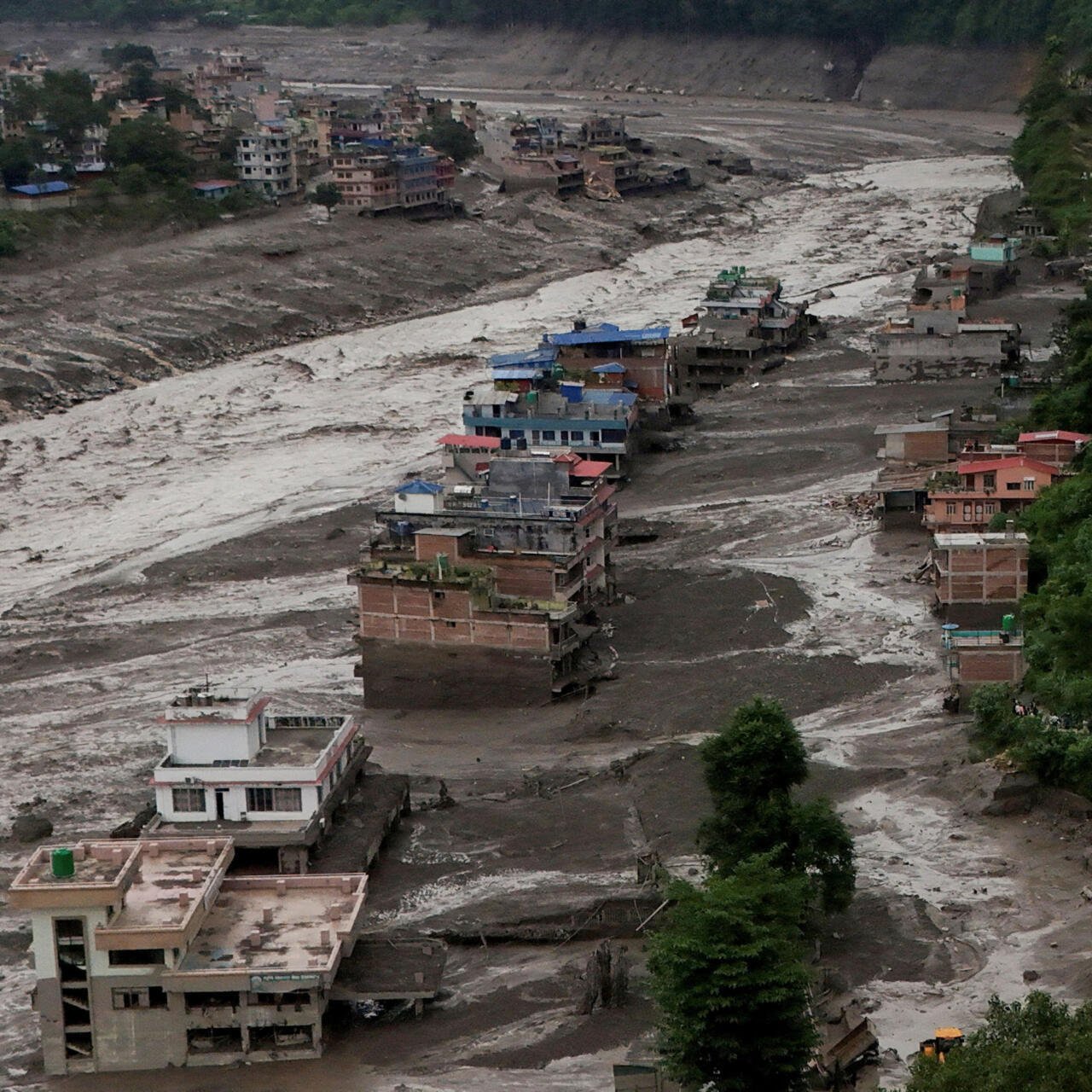
Image Source : Google.Com
Category: World News | Nepal | Natural DisasterNepal Flood 2026: Devastating Flash Floods Kill Hundreds as Rescue Operations ContinuePublished: August 28, 2026 Nepal Flood 2026 Latest NewsNepal is facing one of its most devastating natural disasters of 2026 after catastrophic flash floods struck parts of the country on August 26, 2026. The disaster caused widespread destruction across mountainous areas near the Nepal–China border, sweeping away homes, roads, bridges, hydropower infrastructure and other critical facilities. The situation remains extremely serious as rescue teams continue searching for survivors and missing people. Authorities are also monitoring the possibility of additional flooding and landslides in vulnerable mountain valleys. According to the latest information reported by the United Nations on August 28, at least 464 people had been confirmed dead and 977 people were still missing, including hundreds of foreign nationals. More than 40 kilometres of roads had reportedly been destroyed, while thousands of military and security personnel were involved in search-and-rescue operations.
What Happened in Nepal?The disaster began on the morning of August 26 when an intense flash-flood event affected the Bhote Koshi River and surrounding Himalayan valleys. Preliminary geological assessments have linked the event to a glacier or ice-related collapse, rockfall and debris flow, which rapidly pushed enormous quantities of water, mud, rocks and ice into downstream river systems. The sudden release of water and debris gave residents very little time to evacuate. The floods affected areas including Rasuwa, Nuwakot and Dhading, while serious impacts were also reported around border areas connected with Tibet. Nepal's Ministry of Foreign Affairs said the disaster caused extensive damage to homes, roads, bridges, hydropower facilities and other critical infrastructure. Death Toll and Missing PeopleThe number of victims has continued to rise as rescue and recovery teams reach areas that were initially inaccessible. The United Nations reported on August 28 that:
The UN described the scale of the disaster as unprecedented in Nepal's living memory and warned that additional cascading hazards could occur in the mountains. Foreign Tourists and Pilgrims Among the MissingThe disaster has also affected international travellers. Many foreign nationals were travelling through the region, including people associated with journeys toward Mount Kailash and Mansarovar in Tibet. Earlier government reports identified hundreds of foreign nationals among those reported missing. The figures have continued to change as authorities verify identities and receive information from families and diplomatic missions. Indian nationals are also among those reported missing, making the disaster particularly significant for India and Nepal. Major Damage to Roads and BridgesThe extreme force of the flood destroyed important transportation links in mountainous areas. Reports indicate that numerous bridges and sections of major roads were swept away. Some communities became isolated because vehicles could no longer reach them. Helicopters have therefore become an important part of the emergency response, transporting rescuers, medical supplies and essential relief materials to areas cut off by the disaster. Hydropower Infrastructure DamagedNepal's hydropower sector has also suffered significant damage. The flash floods affected hydropower facilities, transmission infrastructure and electricity distribution systems. Earlier reports indicated that hundreds of megawatts of electricity-generation capacity were affected by the disaster. The destruction of roads and power infrastructure could make recovery particularly difficult in remote Himalayan communities. More Than 17,000 Children AffectedChildren are among the most vulnerable victims of the disaster. UNICEF reported that more than 17,000 children had been affected by the floods in Rasuwa, Nuwakot and Dhading. Homes, schools and medical facilities were damaged, while children face increased risks associated with displacement, disease, malnutrition and lack of essential services. UNICEF has launched an emergency response and appealed for additional funding to support affected children and families. Rescue and Relief OperationsNepal's government has mobilised the country's security and disaster-response agencies for search and rescue operations. The response includes:
Rescue operations are particularly difficult because of steep Himalayan terrain, destroyed roads, unstable slopes and continuing risks from floods and landslides. Risk of More FloodingAuthorities and experts remain concerned about additional hazards. The initial disaster has altered river channels and created unstable debris and water accumulation in some mountainous areas. Officials are therefore monitoring rivers and potential downstream flood threats. The United Nations has also warned that cascading hazards remain possible in the mountains and that continued vigilance is necessary. Why Was the Flood So Destructive?Several factors contributed to the disaster's severity: 1. Glacier and Ice-Related CollapsePreliminary assessments indicate that an ice/glacier-related collapse and associated debris movement contributed to the sudden flood. 2. Steep Himalayan TerrainMountain valleys can rapidly channel enormous quantities of water and debris toward populated areas. 3. Monsoon ConditionsNepal is in its annual monsoon season, when heavy rainfall increases the risk of floods and landslides. 4. Limited Evacuation TimeFlash floods can develop extremely quickly, leaving communities with little time to move to safer ground. 5. Difficult Mountain AccessDestroyed roads and bridges have made rescue and relief operations considerably more challenging. Nepal Flood 2026: A Warning for Himalayan CommunitiesThe disaster has once again highlighted the vulnerability of Himalayan communities to floods, landslides, glacier-related hazards and rapidly changing mountain conditions. Experts and disaster-management organisations have stressed the importance of stronger early-warning systems, hazard monitoring, emergency communication and evacuation planning in mountain regions. As climate and environmental conditions change, monitoring glaciers, unstable slopes, glacial lakes and river systems is becoming increasingly important for disaster-risk reduction. What Happens Next?The immediate priority remains saving lives and finding missing people. Authorities are expected to continue:
The final death toll and economic cost of the disaster may increase as rescue teams reach remote locations. Nepal Flood 2026 FAQsWhen did the Nepal flood happen in 2026?The major flash-flood disaster began on August 26, 2026, affecting areas of Nepal near the country's northern border. What caused the Nepal floods?Preliminary assessments indicate that a glacier/ice-related collapse, rock and debris movement and sudden flooding contributed to the disaster. Heavy monsoon conditions also increase flood and landslide risks in Nepal. How many people died in the Nepal flood?The reported death toll is changing rapidly. The United Nations reported 464 confirmed deaths as of August 28, 2026, with 977 people still missing. How many people are missing?The UN reported 977 missing people as of August 28, although individual government and media updates may differ while authorities verify the numbers. Which areas of Nepal were affected?Among the areas seriously affected were Rasuwa, Nuwakot and Dhading, as well as communities and infrastructure along affected Himalayan river systems. Are foreign nationals missing?Yes. Foreign nationals are among those reported missing, including tourists and pilgrims travelling through the region. The UN reported that approximately 517 of the missing people were believed to be foreign nationals on August 28. Is Nepal still at risk of flooding?Yes. Authorities continue to monitor rivers and mountain areas because additional floods, landslides and other cascading hazards remain possible. Final UpdateThe Nepal Flood 2026 disaster has developed into a major humanitarian emergency. Rescue teams are working in extremely difficult Himalayan conditions to locate missing people, rescue survivors and deliver emergency supplies. The disaster also demonstrates the importance of early-warning systems, glacier monitoring, flood-risk mapping and resilient infrastructure in vulnerable mountain communities. |
|---|
Tags : Nepal Flood 2026: Death Toll, Missing People, Latest News & Updates, Nepal Flood 2026, Nepal News, World News, Flash Flood, Natural Disaster, Himalayan Flood, Nepal-China Border, Monsoon, Flood News, Disaster News, Nepal flood latest news, Nepal flood 2026 latest news, Nepal flash flood 2026, Nepal flood death toll, Nepal flood missing people, Nepal China border flood, Nepal glacier flood, Nepal monsoon flood 2026, Nepal disaster news, Nepal flood rescue operation
Copyright © 2008 - 2026 ( Nepal Flood 2026: Death Toll, Missing People, Latest News & Updates )
Powered By Kuntal.Org. All Rights Reserved...
.png)